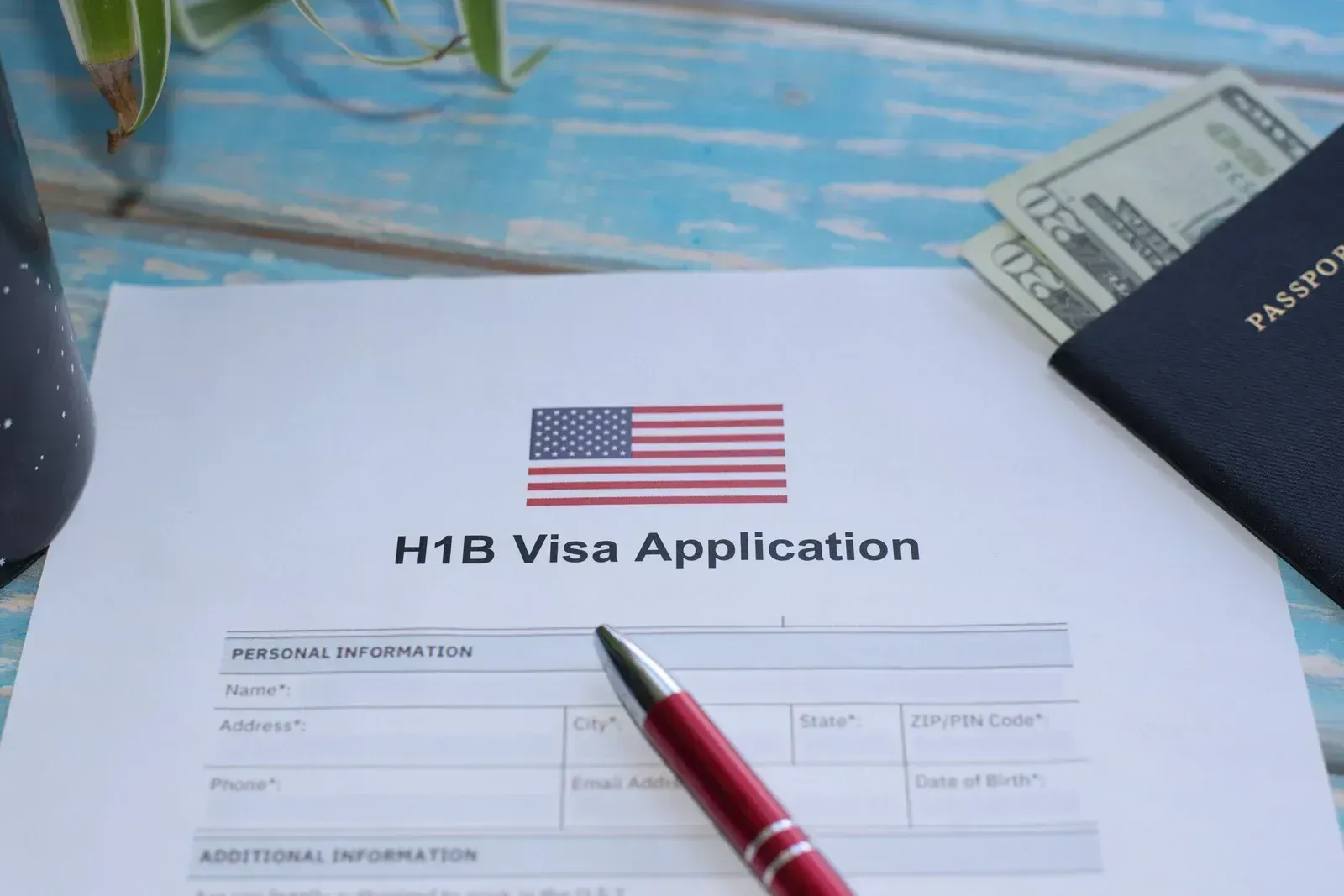
Employment-based immigration involves a range of visa categories, each with its own requirements, timelines, and limits. Selecting the right classification at the outset shapes everything that follows.
The visa categories
Business and employment visas divide into two broad groups.
Non-immigrant visas are temporary. Common categories include the H-1B for specialty occupations, the L-1 for intracompany transferees, and the O-1 for individuals with extraordinary ability in their field.
Immigrant visas lead to permanent residency. The EB-2 and EB-3 categories are the most frequently used employment-based paths.
Each category carries different timelines, numerical limits, and eligibility criteria. Choosing the correct classification is the foundational step, and an error here is expensive to correct later.
Sponsorship and employer obligations
Most employment-based visas require sponsorship by a U.S. employer. The process typically involves filing a petition with USCIS and, in many categories, obtaining a labor certification from the Department of Labor first.
Employers must demonstrate a legitimate job offer and comply with applicable wage and labor standards. These obligations are not limited to the filing stage. Compliance requirements continue throughout the employee's period of authorized work, and recordkeeping duties apply alongside them.
Documentation
Applications must present the beneficiary's qualifications thoroughly and accurately. Errors and omissions produce delays and, in some cases, denials.
Typical documentation includes educational credentials and any required evaluations, detailed job descriptions, employment verification letters, and evidence that the sponsoring business is legitimate and operating. Where a category requires demonstrating extraordinary ability or specialized knowledge, the evidentiary burden is considerably higher.
Common obstacles
Several issues recur in employment-based cases.
Visa caps. The H-1B category is subject to an annual numerical limit, with demand consistently exceeding supply. Registration and selection precede the ability to file a full petition.
Requests for Evidence. RFEs are common in this area, particularly on questions of whether a position qualifies as a specialty occupation. A well-prepared response addresses the officer's specific concern rather than simply adding documents.
Consular interviews. Where processing occurs abroad, the consular interview is a separate stage with its own requirements.
Regulations and adjudication trends in this area shift more than in most, which is why experienced counsel adds particular value in employment-based matters. Planning around cap seasons and filing windows often determines whether a hire is possible at all in a given year.
Related practice areas